Greece Travel Guide: Best Places, Hotels & Tips
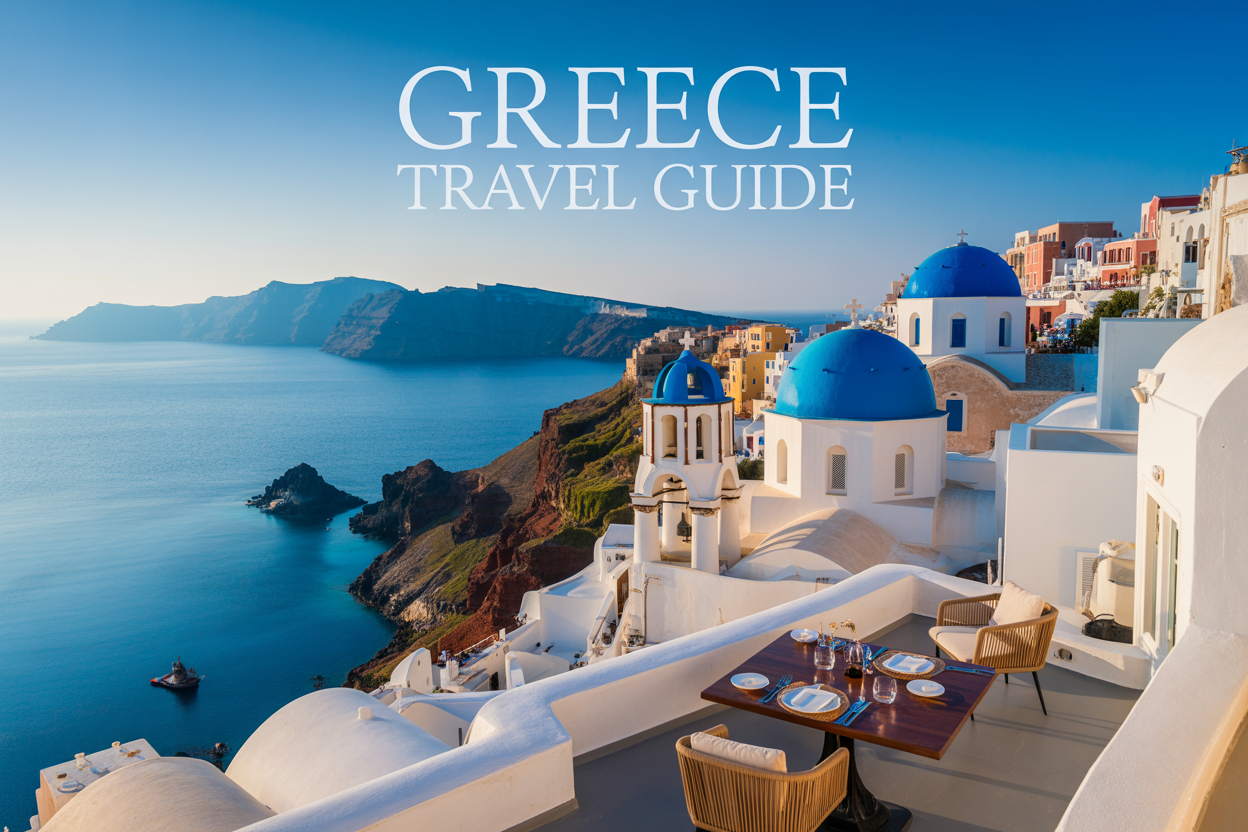
Greece beckons travelers with its stunning islands, ancient ruins, and warm hospitality that creates memories lasting a lifetime. This comprehensive Greece travel guide helps first-time visitors and seasoned travelers plan the perfect trip to this Mediterranean paradise.
You'll discover must-visit Greek islands that showcase crystal-clear waters and charming villages, plus hidden mainland gems that most tourists miss. We'll cover luxury hotels and budget-friendly accommodations that offer authentic Greek experiences without breaking the bank.
Our essential travel tips will help you navigate Greece like a local, including the best time to visit Greece for ideal weather and fewer crowds, plus practical advice on creating a Greece itinerary that maximizes your time and Greece travel budget.
Must-Visit Greek Islands That Will Take Your Breath Away
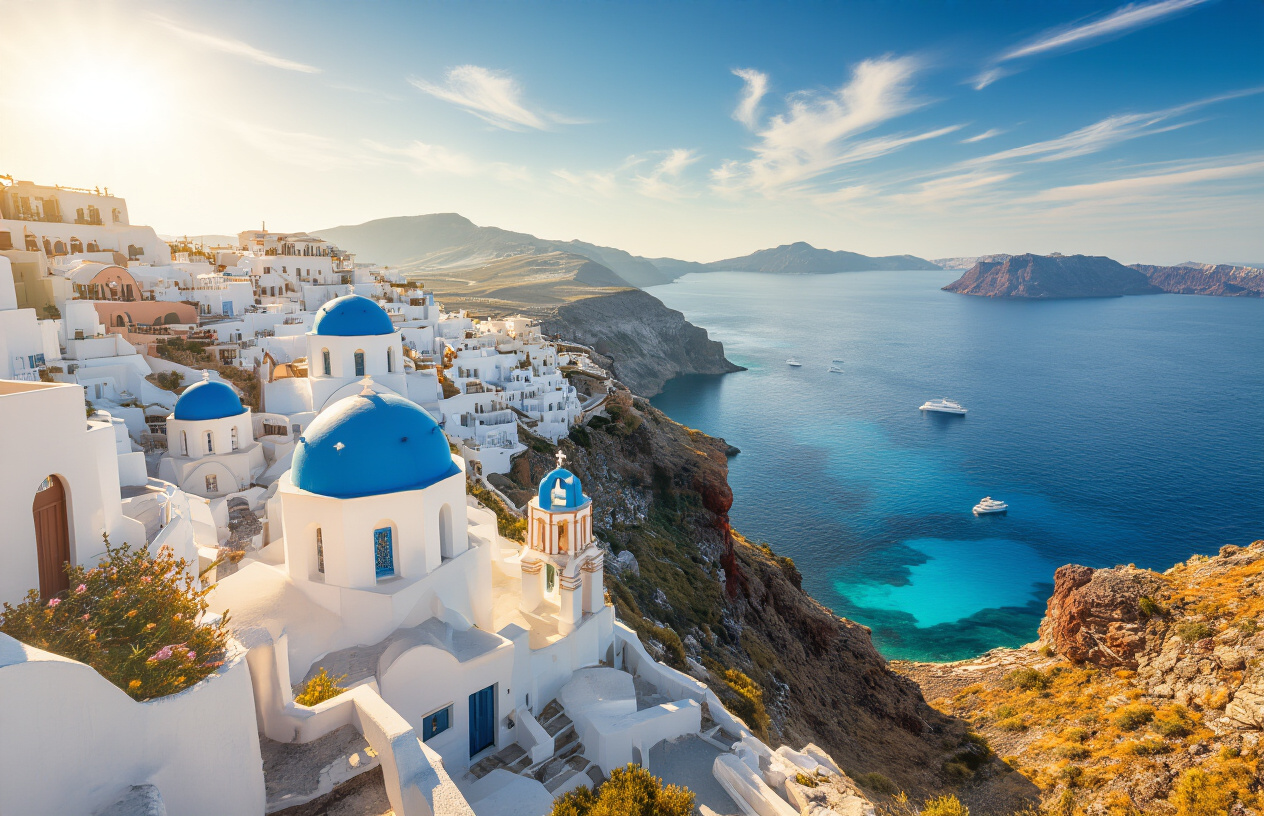
Santorini's Iconic Sunsets and Volcanic Landscapes
Picture this: dramatic black sand beaches meet whitewashed buildings perched on towering cliffs, all set against the backdrop of one of the world's most famous sunsets. Santorini delivers this fantasy and more. The island's unique crescent shape comes from a massive volcanic eruption that happened thousands of years ago, leaving behind the stunning caldera that defines its landscape today.
The village of Oia steals the show when it comes to sunset viewing. Crowds gather nightly on the narrow streets and clifftop restaurants to watch the sun melt into the Aegean Sea. Pro tip: arrive early to snag a good spot, or book a table at one of the sunset-facing restaurants. Fira, the island's capital, offers equally spectacular views with slightly fewer crowds.
Beyond the sunsets, Santorini's volcanic heritage creates unique experiences. Red Beach showcases striking crimson cliffs, while the black pebbles of Kamari Beach remind you of the island's fiery past. Wine lovers shouldn't miss the local vineyards, where volcanic soil produces distinctive Assyrtiko wines with mineral-rich flavors you won't find anywhere else.
Check price & availability on Expedia
Mykonos' Vibrant Nightlife and Pristine Beaches
Mykonos pulses with energy from dawn to dusk and back again. This cosmopolitan island perfectly balances relaxing beach days with world-class nightlife that keeps the party going until sunrise. The island attracts celebrities, influencers, and party-goers from around the globe, creating an electric atmosphere that's hard to match.
Paradise Beach and Super Paradise Beach live up to their names with crystal-clear waters and beach clubs that transform from chill day lounges to thumping dance floors after dark. For a more refined beach experience, head to Psarou Beach, where luxury meets comfort with upscale beach clubs and excellent dining options.
The island's capital, Mykonos Town (Chora), charms visitors with its maze-like streets lined with boutique shops, art galleries, and restaurants. The iconic windmills overlooking the harbor create perfect photo opportunities, especially during the golden hour. Little Venice, where colorful houses hang over the water's edge, offers romantic dinner spots with waves practically lapping at your feet.
When planning your Greece itinerary, consider that Mykonos works best as part of an island-hopping adventure, especially during summer when the party scene reaches its peak.
Crete's Ancient History and Diverse Terrain
Crete stands apart as Greece's largest island, offering enough diversity to fill weeks of exploration. This island doesn't just give you beaches and nightlife – it serves up layers of history, dramatic landscapes, and authentic Greek culture away from the tourist crowds.
The Minoan civilization left its mark here thousands of years ago, with the Palace of Knossos near Heraklion showcasing Europe's oldest city. Walking through these ancient ruins connects you directly to a civilization that thrived when most of Europe was still in the Stone Age. The Archaeological Museum in Heraklion complements your palace visit with artifacts that bring Minoan daily life into focus.
Crete's terrain changes dramatically as you travel across the island. The Samaria Gorge offers one of Europe's most spectacular hikes – a 16-kilometer trek through towering canyon walls that ends at a secluded beach. The White Mountains in the west provide cooler temperatures and traditional villages where time seems frozen. Meanwhile, the eastern coast around Vai boasts the only natural palm forest in Europe.
The island's size means you can experience multiple climates and landscapes in a single day. This diversity makes Crete perfect for travelers asking "how many days in Greece" – you could easily spend a week here without feeling rushed.
Check availability for your travel dates
Rhodes' Medieval Charm and Crystal Waters
Rhodes seamlessly blends medieval history with modern beach resort amenities, creating an island experience that satisfies history buffs and sun-seekers alike. The UNESCO World Heritage Old Town transports you back to the time of the Knights of Rhodes, with cobblestone streets, medieval walls, and the impressive Palace of the Grand Master standing as testaments to the island's strategic importance.
Walking through the Street of the Knights feels like stepping into a time machine. Each building housed different nationalities of knights, and their distinct architectural styles still mark the landscape today. The medieval walls, largely intact after centuries, provide scenic walking routes with harbor views.
Beyond the historical attractions, Rhodes offers some of Greece's most pristine beaches. Tsambika Beach stretches for miles with golden sand and shallow, warm waters perfect for families. Anthony Quinn Bay, named after the actor who fell in love with its beauty while filming here, features dramatic rock formations and incredibly clear water that makes snorkeling irresistible.
The island's location close to Turkey means it enjoys reliable sunshine and calm seas, making it an excellent choice for travelers considering the best time to visit Greece. Rhodes works beautifully as either a standalone destination or as part of a larger Greek island adventure, offering enough variety to keep you engaged for days.
Mainland Greece Hidden Gems Worth Your Time

Athens' Ancient Wonders and Modern Culture
The birthplace of democracy stands as a fascinating blend of 5,000-year-old history meeting cutting-edge contemporary life. Walking through Athens feels like time-traveling, where ancient marble columns share street corners with trendy rooftop bars and graffiti-covered walls.
The Acropolis Museum deserves more attention than most visitors give it. Skip the rushed tourist groups and spend a full morning here. The glass floors reveal ongoing archaeological excavations beneath your feet, while the top floor perfectly aligns with the Parthenon visible through floor-to-ceiling windows. Early morning visits (8 AM) guarantee smaller crowds and better photo opportunities.
Beyond the obvious ancient sites, Exarchia neighborhood pulses with authentic Athenian energy. Students, artists, and locals gather in anarchist bookshops, alternative music venues, and family-run tavernas that haven't changed their menus in decades. The National Gardens provide an unexpected oasis where peacocks roam freely among ancient ruins and modern joggers.
For your Greece itinerary, dedicate at least three full days to Athens. The best time to visit Greece includes spring (April-May) when Athens blooms with perfect weather and fewer tourist crowds. Summer visits require strategic planning - explore indoor museums during afternoon heat and save outdoor wandering for early mornings and evenings.
See photos, reviews & prices on Expedia
Delphi's Mystical Archaeological Sites
Two hours northwest of Athens lies what ancient Greeks considered the center of the world. Delphi's dramatic mountain setting creates an atmosphere that immediately explains why pilgrims traveled thousands of miles seeking Oracle's wisdom.
The Sacred Way winds uphill past treasuries built by competing city-states, each trying to outshine rivals with elaborate marble offerings. The Temple of Apollo, where Pythia delivered her cryptic prophecies while intoxicated by mysterious vapors, commands stunning views across olive groves stretching toward the Gulf of Corinth.
Don't miss the Delphi Archaeological Museum's bronze Charioteer statue - one of the finest surviving examples of classical Greek sculpture. The figure's realistic details and mysterious smile captivate visitors more than any textbook description ever could. The museum also houses the Sphinx of Naxos and intricately carved friezes that once adorned temple walls.
Spring visits reveal wildflowers carpeting the mountainsides, while autumn brings golden light that photographers dream about. Avoid July and August when tour buses overwhelm the narrow mountain roads and scorching temperatures make climbing uncomfortable. Plan for half-day visits, arriving early morning before organized groups arrive around 10 AM.
Check hotel availability on Expedia now
Meteora's Spectacular Cliff-Top Monasteries
Picture massive rock pillars jutting skyward like ancient skyscrapers, topped with Byzantine monasteries that seem to defy gravity. Meteora delivers one of Europe's most surreal landscapes, where monks have lived in isolation for over 600 years.
Six active monasteries remain from the original 24, each requiring different levels of hiking and climbing to reach. Great Meteoron, the largest, houses incredible frescoes and provides panoramic valley views. Holy Trinity Monastery requires the most dramatic approach - featured in James Bond films for good reason - but rewards brave visitors with unmatched photo opportunities.
Sunrise and sunset transform these formations into glowing monuments. Photography enthusiasts should position themselves at designated viewpoints around Kastraki village, where telephoto lenses capture monasteries seemingly floating above morning mist. The best shots come during golden hour when warm light contrasts against dark rock faces.
When planning how many days in Greece, allocate two days minimum for Meteora. Stay overnight in Kalambaka or Kastraki villages to experience both sunrise and sunset magic. Most visitors rush through on day trips from Athens, missing the ethereal early morning atmosphere when mist swirls around clifftops. Local hiking trails connect viewpoints and offer perspectives impossible from tour buses. Spring and fall provide ideal hiking weather, while summer brings intense heat that makes climbing challenging.
Luxury Hotels That Define Greek Hospitality
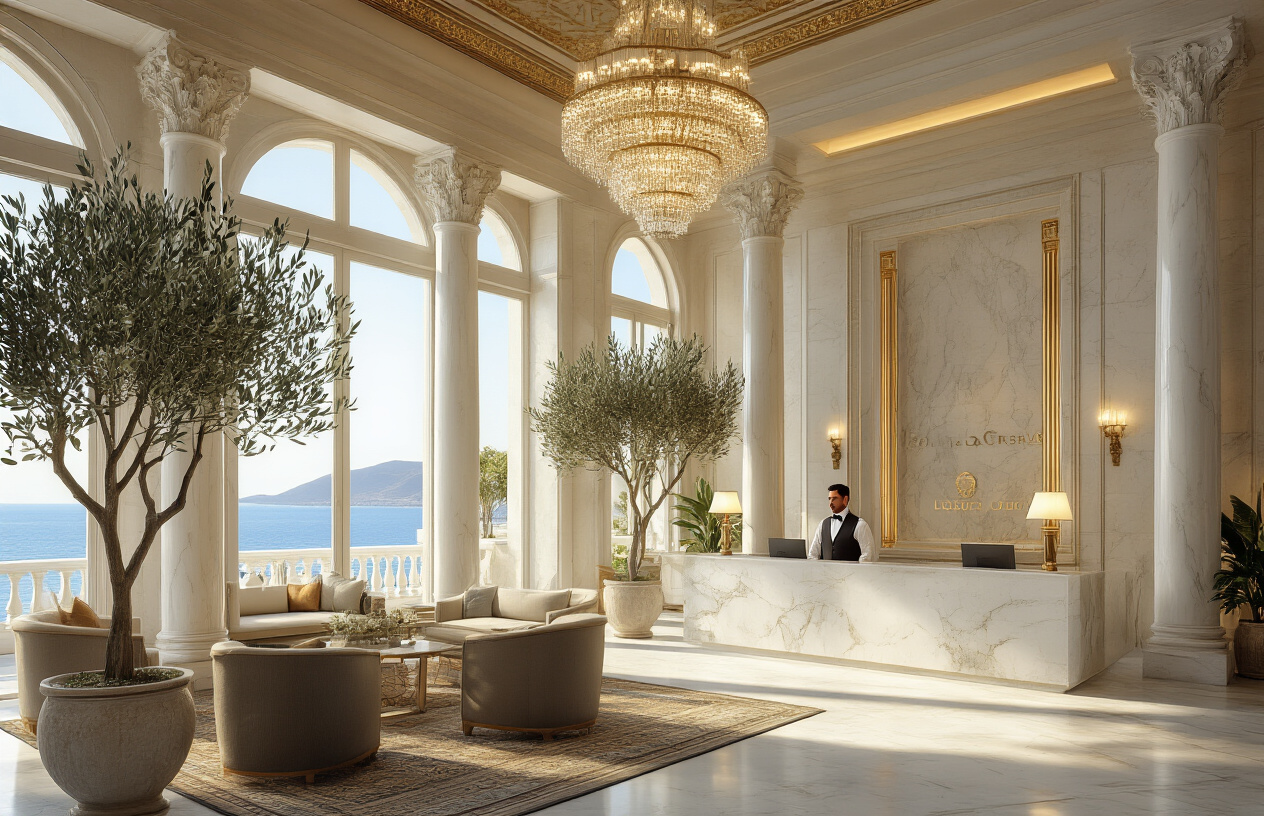
Five-Star Island Resorts with Private Beach Access
Santorini's Mystique Resort sits dramatically on the caldera cliffs, offering direct access to a secluded pebble beach below. Each suite comes with infinity pools that seem to merge with the Aegean Sea, while personalized butler service ensures every need is anticipated. The resort's Charisma restaurant serves elevated Greek cuisine paired with wines from the island's volcanic vineyards.
Mykonos delivers luxury at Cavo Tagoo, where whitewashed suites cascade down the hillside toward a private sandy cove. The property's signature cave pool, carved into the natural rock formation, provides an Instagram-worthy backdrop for sunset cocktails. Private yacht charters can be arranged directly from the resort's beach, perfect for exploring nearby islands during your Greece itinerary.
Crete's Blue Palace Resort transforms a former fishing village into an exclusive retreat with private beaches and overwater bungalows. The spa incorporates ancient Greek wellness traditions with modern treatments, using locally sourced olive oil and sea salt. Multiple dining venues range from casual beachside grills to Michelin-starred restaurants showcasing Cretan specialties.
Boutique Hotels in Historic City Centers
Athens' Hotel Grande Bretagne occupies a prime position facing Syntagma Square, where guests can watch the changing of the guard from their balconies. The rooftop restaurant offers panoramic views of the Acropolis while serving contemporary Greek dishes prepared by award-winning chefs. The hotel's spa features a Roman-style pool with mosaics inspired by ancient Greek art.
Thessaloniki's Electra Palace blends neoclassical architecture with modern amenities in the heart of the old town. Rooms showcase original frescoes and antique furnishings alongside state-of-the-art technology. The hotel's location puts you within walking distance of Byzantine churches, Ottoman monuments, and vibrant tavernas.
Rhodes Old Town's Spirit of the Knights boutique hotel occupies a meticulously restored medieval building. Each room tells a different story through carefully curated artifacts and authentic architectural details. The property's intimate courtyard garden provides a peaceful escape from the bustling cobblestone streets outside.
Cliffside Accommodations with Panoramic Views
Oia's Canaves Oia Hotel perches on the rim of Santorini's caldera, offering unobstructed sunset views from every suite. The property's infinity pool appears to flow directly into the volcanic crater, creating an otherworldly swimming experience. Private terraces come equipped with outdoor Jacuzzis and daybeds for ultimate relaxation.
Zakynthos' Lesante Luxury Resort clings to dramatic limestone cliffs overlooking Laganas Bay. Suites feature floor-to-ceiling windows that frame the turquoise waters below, while private pools extend to glass barriers that enhance the feeling of floating above the sea. The resort's three restaurants each occupy different cliff levels, providing varied perspectives of the coastline.
Corfu's Grecotel Corfu Imperial commands spectacular views across the Ionian Sea from its clifftop perch. The resort's architecture incorporates traditional Venetian and British colonial influences, reflecting the island's diverse history. Multiple pools cascade down the hillside, connected by stone pathways lined with olive groves and Mediterranean gardens.
Traditional Villas for Authentic Local Experience
Crete's Agreco Farm offers restored stone villas surrounded by organic olive groves and vineyards. Guests can participate in traditional farming activities, from olive harvesting to wine making, depending on the season and when considering the best time to visit Greece. Each villa features original architectural elements like exposed stone walls and wooden beams, paired with modern kitchens stocked with farm-fresh ingredients.
Peloponnese's Euphoria Retreat combines luxury accommodation with authentic Greek village life. Traditional tower houses have been transformed into elegant suites while maintaining their historical character. The property includes a working farm where guests can collect fresh eggs, milk goats, and harvest vegetables for their meals.
Naxos' Plaka Villas scatter across a hillside olive grove, each positioned for maximum privacy and sea views. These Cycladic-style houses feature thick stone walls, domed ceilings, and traditional furnishings crafted by local artisans. Private pools use natural stone and integrate seamlessly with the Mediterranean landscape, while outdoor kitchens encourage guests to cook with ingredients from the villa's herb gardens.
Budget-Friendly Accommodation Options That Don't Compromise Quality
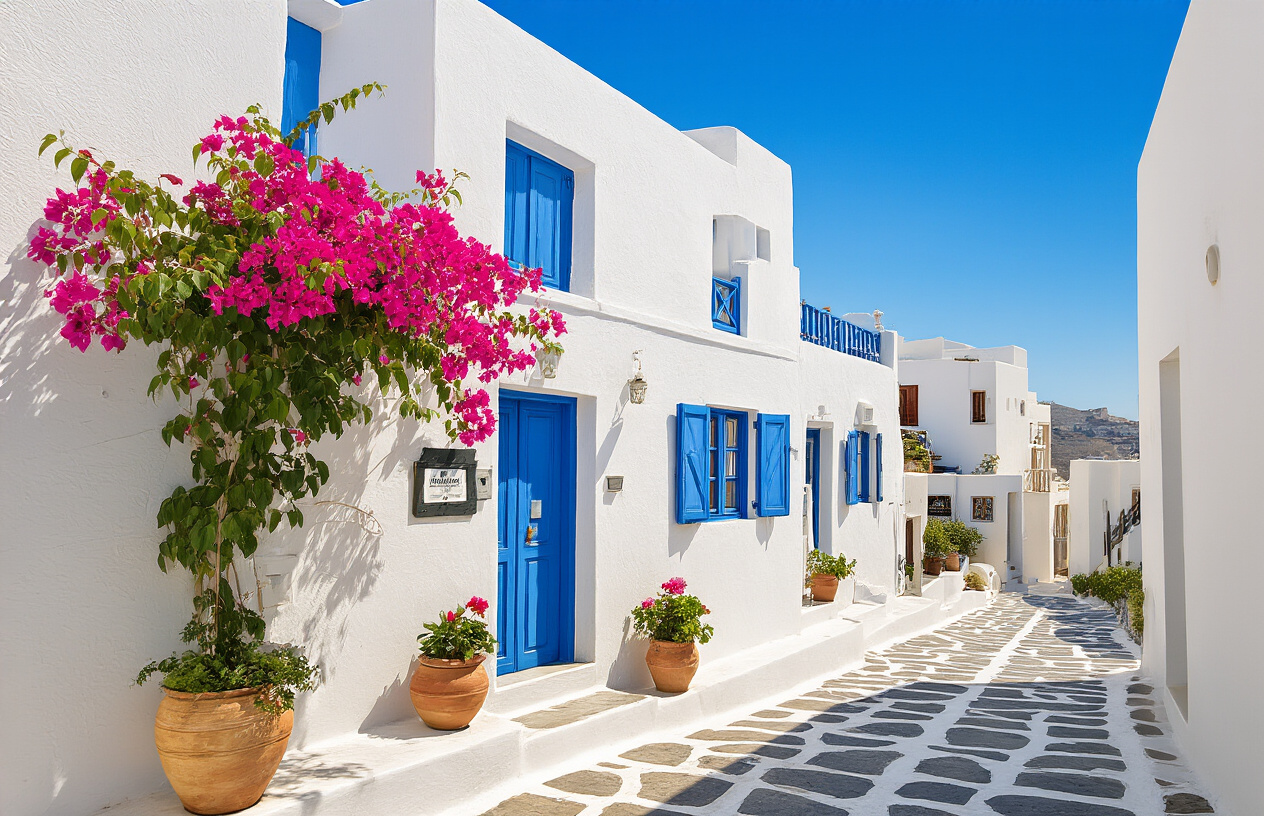
Family-Run Guesthouses with Personal Touch
Traditional Greek guesthouses offer authentic experiences that hotels simply can't match. These family-owned properties scattered across islands and mainland villages provide intimate settings where owners treat guests like extended family members. Most charge between €35-65 per night for double rooms, making them perfect for travelers seeking authentic connections without breaking their Greece travel budget.
The magic happens in places like Naxos, where Maria's Guesthouse serves homemade breakfast with produce from their garden, or in Crete's mountain villages where owners share local hiking trails and family recipes. These accommodations often feature traditional architecture, stone walls, and courtyards filled with bougainvillea. Many provide kitchen access, allowing you to prepare meals with fresh ingredients from local markets.
Book directly through phone or email for better rates and personal attention. Owners frequently offer airport pickups, local recommendations, and sometimes invite guests to family celebrations. Spring and fall represent the best time to visit Greece for guesthouse stays, as owners have more time for personal interactions outside peak summer rush.
Modern Hostels for Solo Travelers
Greece's hostel scene has evolved dramatically, offering stylish accommodations that rival boutique hotels. Cities like Athens, Thessaloniki, and major islands now feature designer hostels with pod-style beds, co-working spaces, and rooftop terraces. Expect to pay €18-35 for dormitory beds and €45-70 for private rooms.
Athens Backpackers and Bedbox Hostel exemplify this trend with sleek interiors, quality linens, and social spaces encouraging connections between travelers. Many organize walking tours, cooking classes, and island-hopping trips, perfect for solo adventurers building their Greece itinerary. Female-only dorms and quiet zones cater to different comfort levels.
Security features include keycard access, individual lockers, and 24-hour reception. Most provide free breakfast, luggage storage, and travel planning assistance. Book at least two weeks ahead during summer months, as quality hostels fill quickly with budget-conscious travelers exploring multiple destinations.
Vacation Rentals for Extended Stays
Apartment rentals shine for stays exceeding a week, offering significant savings and local neighborhood experiences. Platforms like Airbnb and Booking.com feature thousands of options, from Athens city center flats to Santorini cave houses. Weekly rates often provide 20-30% discounts compared to nightly bookings.
Consider locations slightly outside tourist zones for better value and authentic Greek living. Neighborhoods like Koukaki in Athens or Naoussa's outskirts in Paros offer excellent restaurants, markets, and public transportation while maintaining reasonable prices. Studio apartments start around €180 weekly, while two-bedroom units range €300-500 depending on location and season.
Smart rental strategies include staying longer in fewer locations rather than frequent moves, which reduces transportation costs and allows deeper exploration. Many hosts offer grocery starter packages, local SIM cards, and detailed neighborhood guides. For groups planning how many days in Greece, splitting longer rentals often costs less than multiple hotel rooms while providing communal cooking and gathering spaces.
Essential Travel Tips for Navigating Greece Like a Pro

Best Time to Visit for Perfect Weather and Fewer Crowds
Greece shines brightest from late spring through early fall but timing your visit right can make or break your experience. May through June offers the sweet spot - warm weather, blooming landscapes, and manageable tourist numbers. The best time to visit Greece depends on what you're after, but these months deliver crystal-clear waters perfect for swimming without the crushing July-August crowds.
Summer brings peak season madness, especially on popular islands like Santorini and Mykonos. July and August see temperatures soaring above 90°F (32°C) with packed ferries and sky-high prices. If you must visit during summer, book accommodations months ahead and expect to share those Instagram-worthy sunset spots with hundreds of others.
September through October provides another golden window - still warm enough for beach days but with a more relaxed vibe as families return home. October can be unpredictable with occasional rain, but you'll find authentic experiences as locals reclaim their islands.
Winter visits work well for mainland exploration and cultural sites, though many island hotels close November through March. Island hopping becomes challenging due to reduced ferry schedules, but Athens, Thessaloniki, and Peloponnese remain accessible and enjoyable.
Transportation Hacks for Island Hopping
Ferry networks connect Greece's islands like an intricate web, but smart planning saves both time and money. Book ferry tickets online through official websites like Blue Star Ferries or SeaJets, especially during peak season when popular routes sell out quickly.
High-speed ferries cost more but cut travel time dramatically - perfect when your Greece itinerary includes multiple islands in a short timeframe. Conventional ferries move slower but offer better value and more comfortable overnight journeys for longer distances.
Consider these island-hopping strategies:
-
Hub and spoke approach: Base yourself on a central island like Naxos or Paros, taking day trips to nearby islands
-
Linear routing: Follow logical ferry connections rather than backtracking
-
Overnight ferries: Save on accommodation costs while covering long distances
-
Airport hopping: Domestic flights between islands can be surprisingly affordable when booked early
Car rentals work great for larger islands like Crete or Rhodes, but scooters suit smaller destinations better. International driving permits are required, and parking in old town centers can be nightmarish during peak season.
Currency and Payment Methods That Work Everywhere
Greece uses the Euro, and while card acceptance has improved dramatically, cash still rules in many situations. ATMs are widespread, but fees can add up quickly if you're not careful with your Greece travel budget.
Notify your bank about travel dates to avoid card blocks, and carry a backup payment method. Many tavernas, especially in smaller villages, remain cash-only operations. Beach bars, local markets, and taxi drivers often prefer cash payments.
Credit cards work reliably at hotels, major restaurants, and tourist attractions. Contactless payments are becoming common in cities, but don't count on them everywhere. Small denomination bills (€5, €10, €20) prove most useful for tips, small purchases, and places that might struggle with change.
Budget around €50-80 daily for mid-range experiences, including meals, transport, and activities. This covers traditional taverna dinners (€15-25 per person), ferry tickets between nearby islands (€10-40), and museum entrances (€6-20).
Cultural Etiquette to Respect Local Customs
Greek hospitality runs deep, but understanding local customs enhances your experience tremendously. Greeks take mealtimes seriously - lunch happens late (2-4 PM) and dinner even later (9-11 PM). Rushing through meals or asking for the check immediately signals you're not enjoying the experience.
Religious sites require modest dress - shoulders and knees covered for both men and women. This applies to countless churches and monasteries you'll encounter. Keep a light scarf handy for quick cover-ups.
Tipping practices differ from North American standards. Round up taxi fares, leave 5-10% at restaurants for good service, and tip hotel staff a few euros for exceptional help. Service charges aren't typically included in bills.
Greeks often speak loudly and passionately - this indicates enthusiasm, not anger. Personal space tends to be smaller than northern European standards. Don't take offense if conversations seem intense or people stand closer during chats.
Photography etiquette matters, especially around Orthodox churches and local people. Always ask permission before photographing people, and respect "no photos" signs in religious spaces.
Packing Essentials for Greek Climate and Activities
Mediterranean climate means hot, dry summers and mild winters, but island conditions can change quickly. Pack layers rather than heavy clothing, even in summer - evening sea breezes can feel surprisingly cool after scorching daytime heat.
Essential items include:
Sun protection gear: High SPF sunscreen (30+ minimum), wide-brimmed hat, quality sunglasses, and UV-protective clothing for extended beach time
Footwear variety: Comfortable walking shoes for archaeological sites with uneven surfaces, sandals for beach and casual wear, water shoes for rocky coastlines
Island-specific items: Quick-dry towel, waterproof bag for electronics, portable phone charger, and reef-safe sunscreen for marine protection
Practical additions: Universal power adapter, basic first aid supplies, motion sickness remedies for ferry rides, and insect repellent for evening outdoor dining
Pack light fabrics like cotton and linen that breathe well in heat. Darker colors hide dust from archaeological sites better than white clothing. Bring one warm layer for air-conditioned spaces and evening ferry rides.
Consider packing space - you'll likely buy souvenirs, local products, or even additional summer clothing. Leave room in your luggage or pack a foldable extra bag for your return journey.
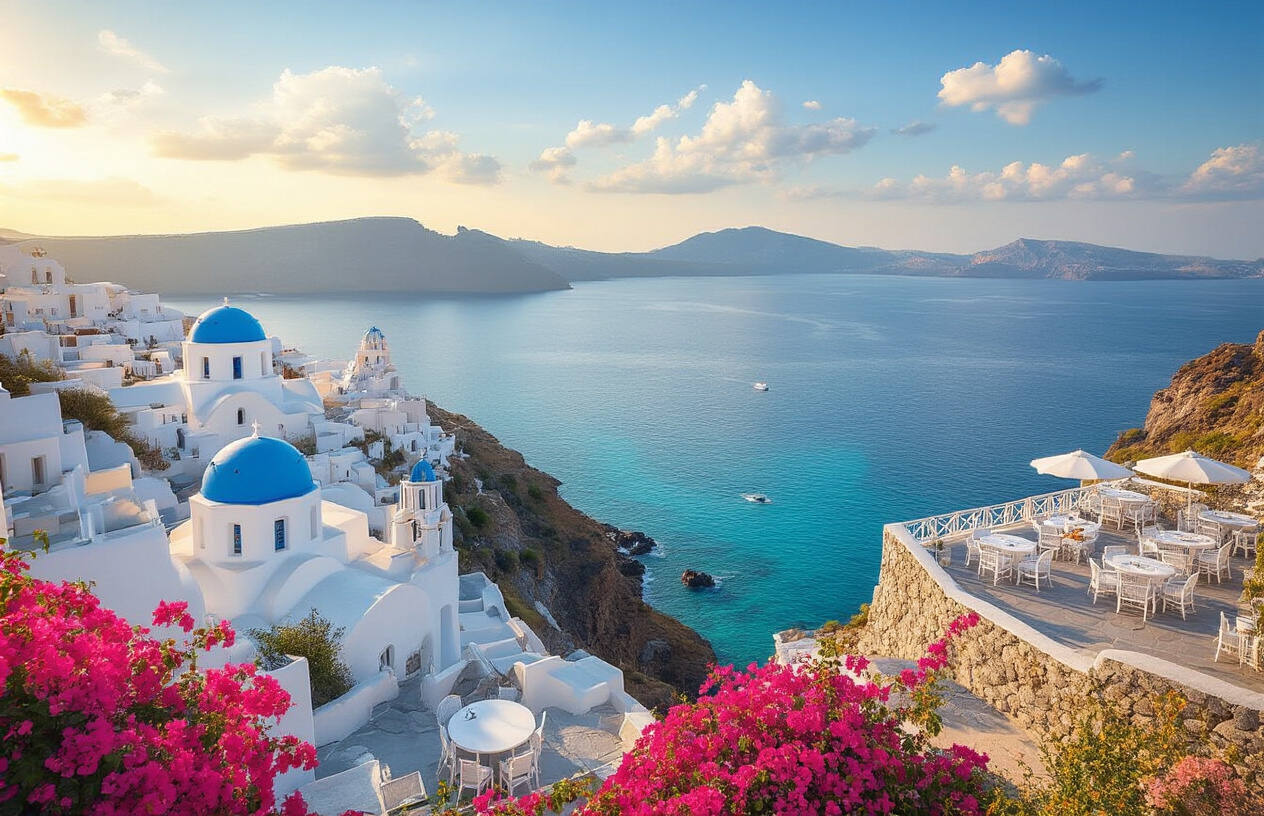
Greece offers some of the world's most stunning destinations, from the iconic islands of Santorini and Mykonos to hidden mainland treasures like Meteora and the Peloponnese. Whether you're drawn to luxury resorts with infinity pools overlooking the Aegean or cozy budget accommodations in charming villages, Greek hospitality will make every stay memorable. The country's diverse landscapes mean you can island-hop through crystal-clear waters one day and explore ancient ruins the next.
Planning your Greek adventure doesn't have to be overwhelming. Pack light, learn a few basic Greek phrases, and embrace the slower pace of life that makes this destination so special. Start planning your trip during shoulder seasons for better prices and fewer crowds, and don't forget to leave room in your itinerary for spontaneous discoveries. Greece has a way of surprising travelers with unexpected moments of beauty and connection that will stay with you long after you return home.
✅ Traveling with a VPN (Why Smart Travelers Use NordVPN)
A VPN (Virtual Private Network) encrypts your connection and hides your real IP address, making your data unreadable to anyone else on the network. Even on unsecured Wi-Fi, your information stays private.
With a trusted VPN like NordVPN, you get:
🔒 Military-grade encryption on public Wi-Fi
🌍 Secure access to booking sites and travel apps worldwide
🛡️ Protection from hackers, trackers, and malicious hotspots
📱 Easy use on phones, tablets, and laptops
⚡ Fast servers that don’t slow down your connection
NordVPN is especially popular among travelers because it’s reliable, fast, and works seamlessly across countries — whether you’re booking hotels, checking flights, or managing reservations on the go.
Why NordVPN Is a Travel Essential (Not Just a Tech Tool)

Think of NordVPN like travel insurance for your internet connection. You may never see the threat, but when you need protection, you’ll be glad it’s there.
For frequent travelers, digital nomads, and anyone booking trips online while abroad, NordVPN adds a crucial layer of security that public Wi-Fi simply doesn’t provide.
✈️ No VPN = exposed data
✈️ NordVPN = secure, private, stress-free browsing anywhere in the world
This post may contain affiliate links. I may earn a commission at no extra cost to you.


Comments
Post a Comment